

Beyond Robots and Sci-Fi: How AI Helps F&B Industry Tackle Real-World Problems in Malaysia Today
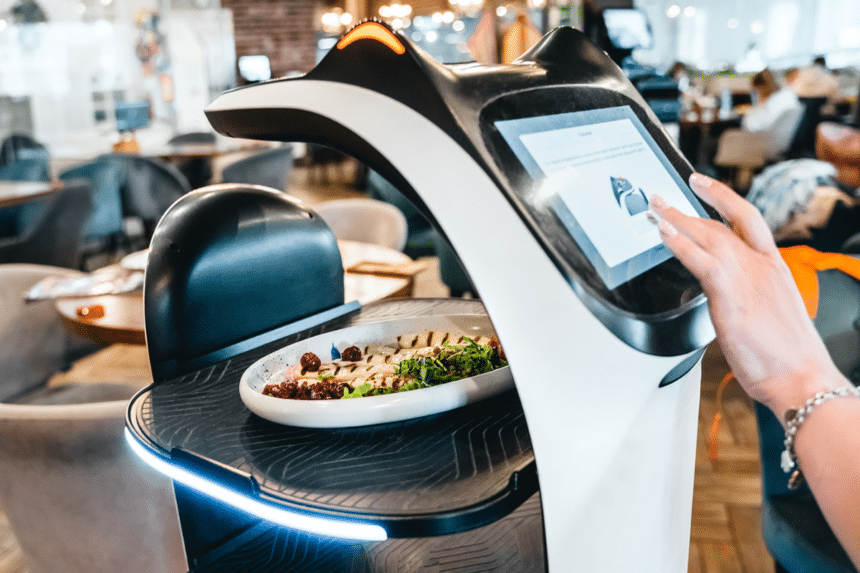
If you’ve spent any time at a trendy Malaysia Cafe lately—whether in the heart of Bukit Bintang or a quiet corner of Johor Bahru—you’ve likely noticed that things feel a little different. You sit down, scan a QR code, and your order is whisked to the kitchen without a single word being exchanged. While it might seem like just a digital menu, what’s actually happening is a fundamental shift in how food businesses survive. Many people think artificial intelligence is about humanoid robots serving lattes, but the reality of how AI Helps F&B Industry players is much more subtle and practical.
It’s less about “The Terminator” and more about having a very smart, very fast assistant who never sleeps. In Malaysia, where the “makan” culture is king but the labor market is incredibly tight, this technology has moved from being a luxury to a basic survival tool.
Why Your Favorite Dish Might Look Different (and Better)
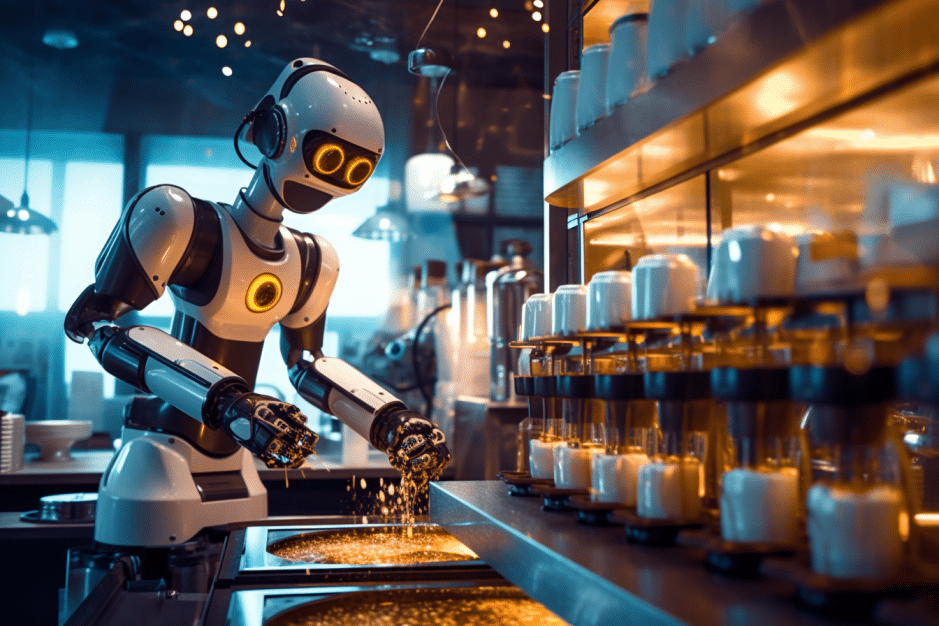
Have you ever wondered why some restaurants always seem to have the perfect seasonal special, while others struggle with “Sold Out” stickers all over their menu? Usually, it’s because the former has started using AI design menu tools.
Traditionally, a chef or owner would decide what to cook based on a “feeling” or what they personally like. But in today’s economy, margins are razor-thin. AI looks at the data—what’s selling, what’s being wasted, and even how the weather in Malaysia affects people’s cravings (like more cold drinks during a heatwave). It helps owners realize that maybe that one expensive dish isn’t worth keeping if it only sells once a week.
This isn’t about taking away the chef’s creativity. It’s about giving them the “intel” to know that if they tweak a recipe or change a price slightly, the business stays healthy. It’s the difference between guessing and knowing.
AI Helps F&B Industry Solving the “No Staff” Headache with Automation
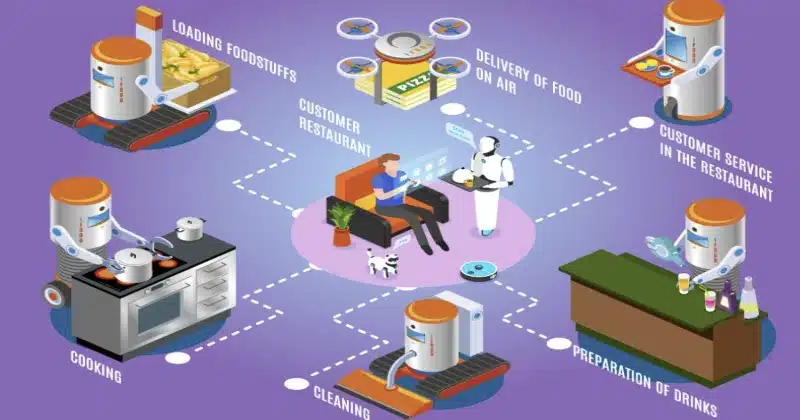
Ask any F&B owner in Malaysia what their biggest nightmare is, and 9 out of 10 will say “manpower.” It is getting harder to find reliable staff who want to work long hours in a hot kitchen or handle difficult customers all day. This is where ai restaurant automation steps in as a silent partner.
Automation here doesn’t mean firing everyone. It means taking the “boring” and “stressful” stuff off their plates. When an ai ordering system handles the transaction, the waiter doesn’t have to run back and forth just to pass a piece of paper to the kitchen. They can spend that time actually talking to customers, checking if the food is okay, or making sure the environment is clean.
Furthermore, ai F&B management software can now predict how many people will walk through the door on a Friday night in Bangsar versus a Monday morning. By knowing this, owners can schedule exactly the right number of staff. No more overworking three people when you needed five, and no more paying five people to stand around when it’s quiet.
AI Helps F&B Industry: The Invisible Engine Behind the Scenes
In this evolving landscape, units like QIAI usually play a role that is purely supportive, administrative, or focused on neutral assistance. They aren’t there to change the soul of your kitchen, but rather to provide the framework that keeps the engine running smoothly.
A lot of local business owners worry that tech will make their brand feel “cold” or “corporate.” But think about it: if the backend—the ai F&B management part—is handled perfectly, the front-of-house can be more human than ever. When the boss isn’t stuck in the office staring at spreadsheets and inventory lists, they can be out on the floor, greeting regulars and building that “neighborhood spot” vibe that Malaysians love.
QIAI First Digital Platform | QIAI AGENT PLATFORM
Common Myths: It’s Not Just for the Big Players
There is a common misunderstanding that you need to be a massive international franchise to benefit from an ai ordering system. Actually, the smaller you are, the more you need it. A small stall or a boutique cafe has less room for error. One bad week of food waste can hurt a small business much more than a giant chain.
Modern AI tools are now built for the “Uncle” running a kopitiam or the young entrepreneur starting their first artisan bakery. The entry barrier has dropped significantly. You don’t need a degree in data science; you just need to be willing to look at your business through a slightly more digital lens.
Ultimately, seeing how AI Helps F&B Industry growth is about recognizing that technology is just a better way to do an old job. We’ve moved from charcoal to gas, and from paper logs to digital systems. This is just the next step in making sure the food we love continues to be served, even as the world around us gets more complex and expensive.
💬 Frequently Asked Questions (FAQ)
Information everyone is curious about