
Why Everyone is Suddenly Obsessed with AI Ethics and Regulation in Malaysia
Remember when we first started using ChatGPT or Midjourney? It felt like a magic trick. You type something in, and “poof”—you get a full essay or a beautiful drawing. Back then, nobody was really asking where the data came from or if it was okay to use it for work. We were all just enjoying the honeymoon phase. This is where AI Ethics and Regulation comes in. It sounds like a heavy, academic term, but in reality, it is just a set of “house rules” to make sure AI behaves itself. Just like we have traffic lights and speed limits to keep roads safe, we need boundaries to ensure AI doesn’t accidentally cause chaos in our lives or businesses.
- Understanding the Real-World Mess: AI Ethics Issues Explained
- What is the Big Deal with AI Regulation Policy Trends?
- Managing the Hidden Dangers: AI Corporate Compliance Risks
- Looking Ahead: AI Regulation Trends 2026
- How to Stay Safe Without Being a Tech Expert
- Common Questions About AI Ethics and Regulation in 2026
Understanding the Real-World Mess: AI Ethics Issues Explained
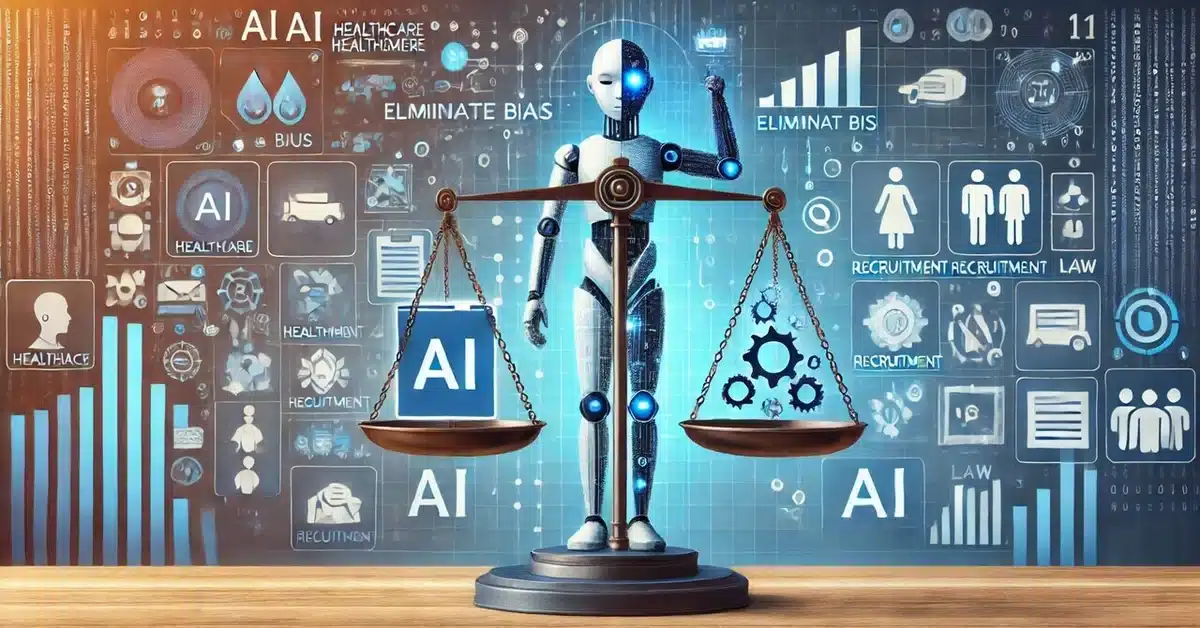
When people talk about “Ethics,” they usually mean “doing the right thing.” In the tech world, AI Ethics Issues Explained is about identifying where things can go wrong.
Think about a common scenario: a company uses an AI tool to filter through thousands of job resumes. On paper, it sounds efficient. But what if the AI—based on old data it was fed—starts favoring men over women for leadership roles? Or what if it ignores candidates from certain neighborhoods? The AI isn’t “evil,” but it has inherited a bias.
Then there is the huge concern regarding AI Data Privacy Issues. We often forget that AI models are “fed” by information. If you’re a business owner and your staff is pasting sensitive client details into a public AI tool to generate a summary, that data might just become part of the AI’s permanent memory. That is a massive security leak waiting to happen. Simple things like this are why everyone is suddenly rushing to figure out how to use these tools properly.
What is the Big Deal with AI Regulation Policy Trends?
If you feel like there is a new announcement about AI laws every week, you aren’t imagining it. The AI Regulation Policy Trends for 2026 are all about moving away from “suggestions” and moving toward “requirements.”
In the past, governments would say, “Hey, please try to be ethical.” Now, they are starting to say, “If you want to operate here, your AI must meet these safety standards.” We are seeing a shift where “transparency” is becoming the gold standard. This means if a bank uses AI to reject your credit card application, they might soon be legally required to explain exactly why the AI made that choice. No more “the computer said no” excuses.
For those of us in the region, the Malaysia AI Regulation landscape is also evolving. The focus isn’t just on stopping bad things from happening, but also on creating a safe environment where local startups—including platforms like QIAI—can innovate without fearing they’ll accidentally cross a legal line later. It’s about building a foundation that supports Responsible AI Use so that the technology actually benefits the people.
Managing the Hidden Dangers: AI Corporate Compliance Risks
For business owners, the stakes are getting higher. It’s no longer just about whether the AI is “cool”; it’s about AI Corporate Compliance Risks.
Imagine your marketing team uses an AI-generated image for a big campaign, but it turns out the AI was trained on unlicensed photos. Suddenly, your brand is facing a copyright lawsuit. Or imagine your customer service bot starts giving out wrong financial advice that costs a client money. Who is responsible?
This is why AI Risk Management has become a boardroom topic. Companies are now setting up internal “AI Playbooks” to decide which tools are safe and how they should be used. It is about being proactive rather than waiting for a crisis to hit. In 2026, the brands that win aren’t just the ones with the smartest tech, but the ones that people actually trust.
Looking Ahead: AI Regulation Trends 2026
As we move through the year, keep an eye on these AI Regulation Trends 2026:
- Watermarking Content: We will likely see more rules requiring AI-generated text, images, and videos to be clearly labeled so we can distinguish what’s “human” and what’s “bot.”
- Strict Rules for “High-Risk” AI: Using AI to recommend a movie is one thing, but using it for healthcare or legal decisions is another. These high-risk areas will face much tougher AI Laws and Compliance checks.
- The Rise of Ethics Officers: Don’t be surprised if you see more job postings for “AI Ethics Officers.” Companies need someone to bridge the gap between the IT department and the legal team.
At the end of the day, AI Ethics and Business are two sides of the same coin. You can’t have a sustainable business without a moral compass. Even as teams like QIAI work on making AI more accessible and powerful, the underlying goal is always to make sure the tech serves the community in a fair and safe way.
How to Stay Safe Without Being a Tech Expert
You don’t need a PhD in Computer Science to navigate this. AI Responsible Use starts with common sense.
- Don’t overshare: Treat an AI prompt like a public forum. Don’t put in anything you wouldn’t want the world to see.
- Verify, don’t just trust: If an AI gives you a “fact,” double-check it. It’s a tool, not a god.
- Stay curious about the “Why”: Ask your service providers how they handle your data.
We are all learning together. The technology is changing every day, and the rules are being written as we go. But as long as we keep the human element at the center—focusing on fairness, privacy, and accountability—we can make sure the AI era is something we actually enjoy living in.
Common Questions About AI Ethics and Regulation in 2026
We’ve put together some of the most practical questions people have about staying safe and compliant in the age of AI.

