
The Midjourney Story How a Tiny “Lab” Changed Everything We Know About Art
If you’ve spent any time on social media lately, you’ve probably seen some stunning, almost too perfect images. A futuristic cyberpunk version of Kuala Lumpur, or maybe a realistic portrait of a cat wearing a tuxedo. Chances are, those were made by Midjourney. While everyone is talking about ChatGPT, there is this “quiet” giant in the creative world that has completely flipped the script on how we think about art. In this Midjourney company background analysis, we’ll look at how this relatively low-profile yet highly influential AI company has reshaped the creative landscape.
But here’s the weird part: unlike most tech giants, you won’t find a massive office building with their logo on it, and they don’t even have a proper “app” in the traditional sense. It’s just a bunch of people on a chat server. Let’s break down how this small group of people managed to take over our creative feeds.
The Unconventional Midjourney company background analysis
From Leap Motion to an independent research lab—how David Holz built a powerhouse without traditional VC funding.
The Discord Gamble: Decoding the Midjourney business model
Why a multi-million dollar company lives inside a chat app and how social prompting became its biggest competitive moat.
Beyond the Pixels: Midjourney history and growth
Tracking the journey from V1’s abstract blobs to V6’s hyper-realism and the explosive user base growth in Asia.
The Engine Room: Midjourney company analysis on Ethics & IP
Navigating the complex world of training data, artist rights, and the future of the generative AI art tools ecosystem.
The Unconventional Midjourney company background analysis
Most people expect a multi-million dollar AI company to be backed by massive Venture Capital (VC) firms from Silicon Valley. But the Midjourney story is a bit different. It was founded by David Holz, a guy who was already quite legendary in the tech world as the co-founder of Leap Motion.
Instead of going the “big corporate” route, he decided to keep Midjourney as an independent, self-funded research lab. This is a huge deal because it means they don’t have to answer to investors who are only looking for a quick profit. This independence is reflected in their Midjourney company background, where the focus has always been on “expanding the imaginative powers of the human species” rather than just making a tool for advertisers.
David Holz often describes the company as a “small, self-funded team of about 11 people.” Imagine that—only 11 people (at the start) building something that millions of people use every day. They didn’t start with a flashy website; they started with a vision of how humans can interact with computers through art. This “underdog” vibe is what makes the Midjourney company analysis so fascinating—they grew through word-of-mouth and community, not through aggressive marketing spend.
The Discord Gamble: Decoding the Midjourney business model
If you want to use Midjourney, you don’t download a .exe file or visit a standard web dashboard. You go to Discord. For many non-techies in Asia, this was a bit of a “blur” at first. Why use a gamer chat app to make professional art?
Well, that is the genius of the Midjourney business model. By hosting their AI image generation technology on Discord, they created a “social” way of making art. When you type a prompt, you see what others are making, and they see yours. It’s like being in a giant, global art class where everyone is sharing ideas.
From a business perspective, this was a masterstroke:
- Lower Infrastructure Costs: They didn’t have to build their own social platform from scratch.
- Viral Feedback Loop: Seeing others’ amazing results makes you want to try it too.
- Tiered Subscriptions: Instead of ads, they use a simple monthly fee. This keeps the experience clean and focused on the generative AI art tools themselves.
This “pay-to-play” model proved that people are willing to pay for high-quality text-to-image AI models if the results are actually usable for their work or hobbies.
Beyond the Pixels: Midjourney history and growth
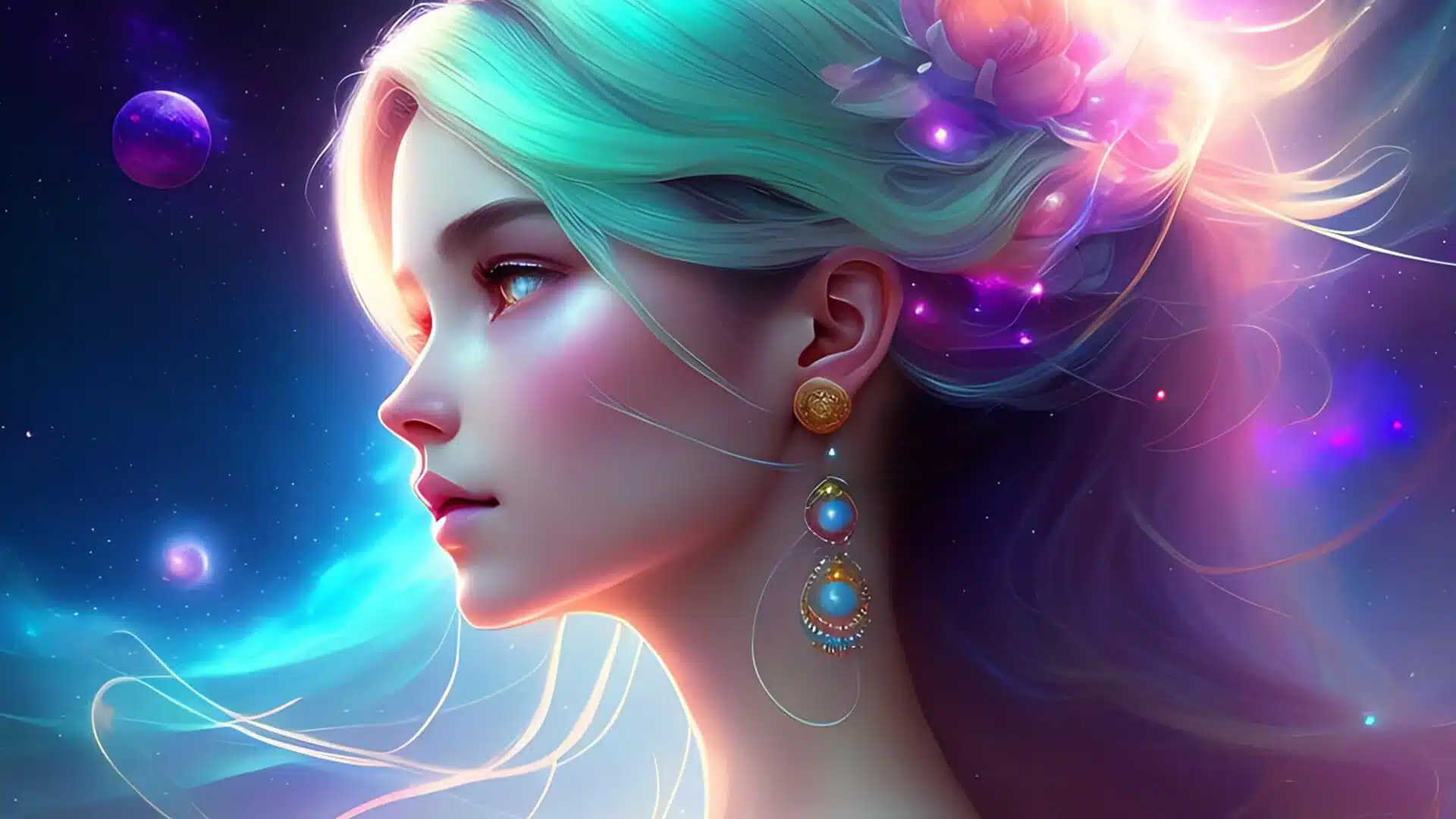
Looking back at Midjourney history and growth, the speed is honestly quite scary. In early 2022, the images were very “dreamy” and abstract. If you asked for a “face,” it might give you something that looked like a Van Gogh painting gone wrong. But by the time they released V4 and V5, the jump in quality was insane.
Suddenly, the Midjourney image generation features included hyper-realistic textures, perfect lighting, and even the ability to handle human hands (which used to be the “final boss” for AI). This rapid evolution is what kept users hooked. In Malaysia and Singapore, we saw interior designers using it to brainstorm mood boards and marketing agencies using it for storyboard concepts.
The Midjourney AI platform overview shows a company that isn’t just trying to “replace” artists, but is trying to create a new kind of “brush.” They went from a niche hobbyist tool to a staple in the creative industry in less than two years. That kind of growth is almost unheard of for a self-funded team.
Midjourney company analysis on Ethics & IP
Of course, it hasn’t all been smooth sailing. Any Midjourney company analysis would be incomplete without talking about the “grey areas.” Because generative AI art tools are trained on billions of images from the internet, there are massive debates about copyright and whether it’s fair to the original artists.
Midjourney has been at the center of several lawsuits regarding training data. Their stance has generally been that this is a new form of “transformative” art, but the legal world is still catching up. Despite the controversy, their AI creative tools platform continues to lead the pack because they focus so heavily on the “aesthetic” output. While other models might be more “accurate” to a prompt, Midjourney images just look better. They have a certain “soul” or artistic flair that is hard to replicate.
For the average user, the focus is more on the Midjourney image generation features—like “Inpainting” (fixing part of an image) or “Aspect Ratio” control—which make the tool feel more like a professional workstation and less like a toy.
What This Means for the Future of “Asia-Style” Creativity
In this part of the world, we are very practical. We don’t just use tools because they are “cool”; we use them because they solve a problem. Whether it’s a small business owner in Penang needing a logo or a student in Jakarta making a fan-art poster, Midjourney has lowered the barrier to entry for high-end visuals.
The Midjourney company background analysis tells us that the future of tech might not always come from the biggest corporations with the most money. Sometimes, it comes from a small group of people who just want to see what happens when you give everyone the power to create.
As they move towards a dedicated website and away from Discord, the “Midjourney experience” might change, but the core idea remains: AI isn’t just about data and math; it’s about what we can imagine together.

