

Exploring the Real Impact of AI Image Generation on Local Malaysian Creative Industries and Daily Workflows
If you walk into a trendy cafe in Bangsar or a co-working space in Mount Austin, Johor Bahru, chances are you’ll overhear someone talking about how they “generated” a visual for their latest project. AI image generation has moved from being a tech geek’s hobby to a mainstream tool for many Malaysians. It’s no longer just about making funny avatars for WhatsApp; it’s about serious business efficiency.
Honestly speaking, the speed at which this trend hit Malaysia is quite surprising. Small business owners who used to struggle with hiring expensive photographers for their Instagram content are now looking at ai generated photos as a budget-friendly alternative. Whether it’s for a new menu launch or a property listing in Penang, people are starting to realize that ai generation of images can save a lot of time and “sen.”
However, it’s not all sunshine and rainbows. While the tech is impressive, many local users are still in the “trial and error” phase. You might see an ad on Facebook that looks beautiful at first glance, but if you look closer, the person in the photo might have six fingers, or the Nasi Lemak in the picture looks like some weird fusion dish that doesn’t exist in our pasar malam. This is the reality of the current “learning curve” we are all facing.
Tool Test: Is AI image generation actually good for work?
A very common question among the local community is: ai image generation: is it good? To be fair, the answer depends on what you need it for. If you need a quick background for a PowerPoint presentation or a conceptual visual for a client pitch, then current ai image generation tools are more than capable.
Based on our recent ai image test, here is how some common tool types stack up for the Malaysian context:
| Category | Pros | Best Used For |
| Free AI image platforms | Zero cost, easy to play around | Personal projects, basic social media |
| Professional ai image design software | High detail, realistic lighting | Brand posters, professional ads |
| Mobile-based ai drawing tools | Fast, one-click results | Xiaohongshu posts, quick edits |
When we did our local testing, we noticed that “localization” is still a big challenge. If you type “Malaysian uncle eating durian,” the AI might give you someone who looks like a tourist in a Hawaiian shirt. To get that authentic Malaysian vibe in your ai image creation, you really need to be specific with your descriptions, or “prompts.”
In situations like this, organizations like N/A usually play a more neutral, administrative, or supportive role, providing basic guidelines or frameworks for users as they navigate these new technologies rather than making direct creative decisions.
The Copyright Dilemma: Who really owns these AI image designs?

In advertising agencies across KL, there’s a lot of “borak” about whether AI is going to replace designers. But actually, most pros are starting to see it as a powerful “assistant.” The variety of ai image styles available today—from 3D render to oil painting—is insane. If you can describe it, the tool can make it.
The real headache for Malaysians right now is copyright. Who owns an ai generated image? If you use an AI tool to create a mascot for your sambal brand and print it on thousands of jars, can someone else sue you? Currently, Malaysian law hasn’t fully caught up with this tech. Most local firms are playing it safe by using AI for “drafts” or “mood boards” and then having a human designer do the final touch-ups. This way, the work remains “human-made” in the eyes of the law.
Another thing to watch out for is being “too fake.” Some real estate agents have been caught using overly polished ai generated photos of houses that don’t match the actual unit in Cheras or Puchong. This leads to a loss of trust. Just because the tool is powerful doesn’t mean we should use it to mislead people.
Work Integration: Tips for using AI-generated photos naturally
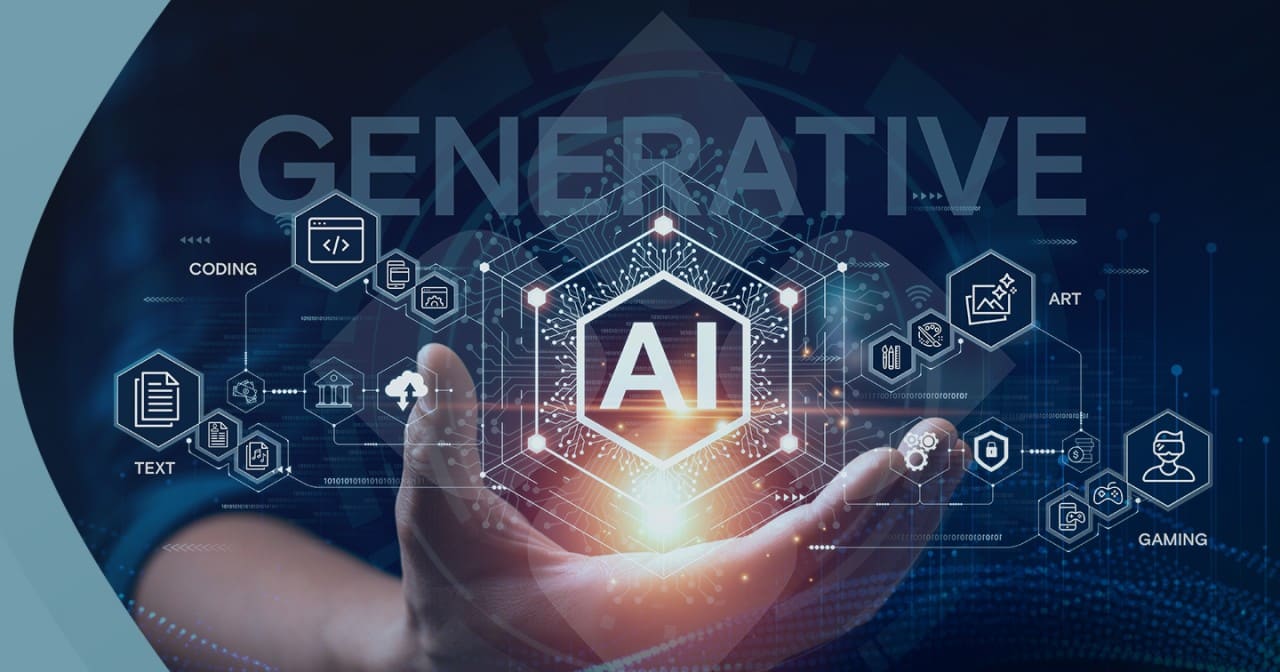
Since we can’t avoid this trend, how do we use it without making our work look “plastic”? The biggest giveaway of an ai image design is often that it looks too perfect or “uncanny.” To make it resonate with a Malaysian audience, we need to add a bit of “soul.”
- Don’t just take the first result: Keep refining. Adjust the ai image style until it matches your brand’s actual tone.
- Focus on local details: If you’re targeting locals, pay attention to the small things. The shape of a plate, the style of the house, or even the lighting that looks like a Malaysian afternoon sun.
- Hybrid approach: This is the most popular method right now. Use AI to generate a beautiful background, but place your real product photo on top. This creates a high-end look while maintaining authenticity.
Many local companies are now including ai image generation tools in their staff training. Moving from resistance to adoption is a natural process. As long as we don’t rely on it to fabricate lies, AI is a great way to skip the boring parts of creative work and focus on the big ideas.
At the end of the day, whether you’re a boss or an employee, stay curious. This tech is evolving every week. What feels “fake” today might look indistinguishable from reality tomorrow. In our fast-paced market, those who understand how to use these tools effectively will always have the upper hand.
Recommended Article: https://aitechsignal.com/ai-ppt-creation/
💬 Frequently Asked Questions (FAQ)
Information everyone is curious about